
Best SR-22 Insurance After DUI — Boise, Idaho
Free to compare
You Need SR-22 Filing Before Idaho Reinstatement
Your Boise DUI conviction triggered a 90-day minimum license suspension under Idaho Code § 18-8005, and the Idaho Transportation Department will not reinstate your driving privileges until you file an SR-22 certificate proving you carry liability coverage at state minimum limits. The SR-22 filing must remain active for 3 years from your reinstatement date — any lapse in coverage restarts the suspension and requires a new reinstatement process including another $25 base reinstatement fee.
The structural complication: if you petition the court for a restricted license during your suspension period, Idaho law requires ignition interlock device installation on any vehicle you drive, and that vehicle must be insured immediately — before formal reinstatement. You cannot legally drive to work or court-approved destinations on a restricted license without active SR-22 coverage on the IID-equipped vehicle. This creates a coverage window most Boise drivers miss: you need insurance during suspension, not just after it ends.
“Idaho courts grant restricted licenses with mandatory ignition interlock, creating a coverage window where you need active SR-22 insurance during suspension, not just after.”

Get Back to a Fair Rate in Idaho After a DUI
Get My Idaho DUI Insurance Quote3 years
Idaho SR-22 Filing Period
The SR-22 certificate must remain on file with the Idaho Transportation Department for 3 years following DUI reinstatement. Your carrier reports cancellations electronically; if coverage lapses for any reason during the 3-year period, ITD re-suspends your license and requires a new reinstatement process.
Idaho Code § 18-8005, Idaho Transportation Department
Idaho Restricted License Creates Immediate Coverage Need
Idaho allows DUI offenders to petition the court for a restricted license after serving a mandatory 30-day absolute suspension period for first offense. The restricted license permits driving to court-approved destinations — typically work, school, medical appointments, and alcohol treatment programs — but Idaho Code § 18-8008 mandates ignition interlock device installation on any vehicle you operate under the restricted license.
The IID must remain installed for the entire restricted license period, which runs concurrent with or following the suspension period depending on your offense count. You cannot drive the IID-equipped vehicle without active liability insurance, and that insurance policy must include SR-22 filing if your restricted license was granted as part of DUI reinstatement proceedings. Most Boise drivers assume they can wait until full reinstatement to buy coverage; Idaho's IID requirement makes that illegal.
Court-defined restrictions vary by judge and county. Ada County courts typically limit restricted license holders to specific hours and days, with explicit route restrictions between approved locations. Violating those restrictions — including driving an uninsured vehicle or driving without a functioning IID — triggers automatic revocation of the restricted license and extends your suspension period.
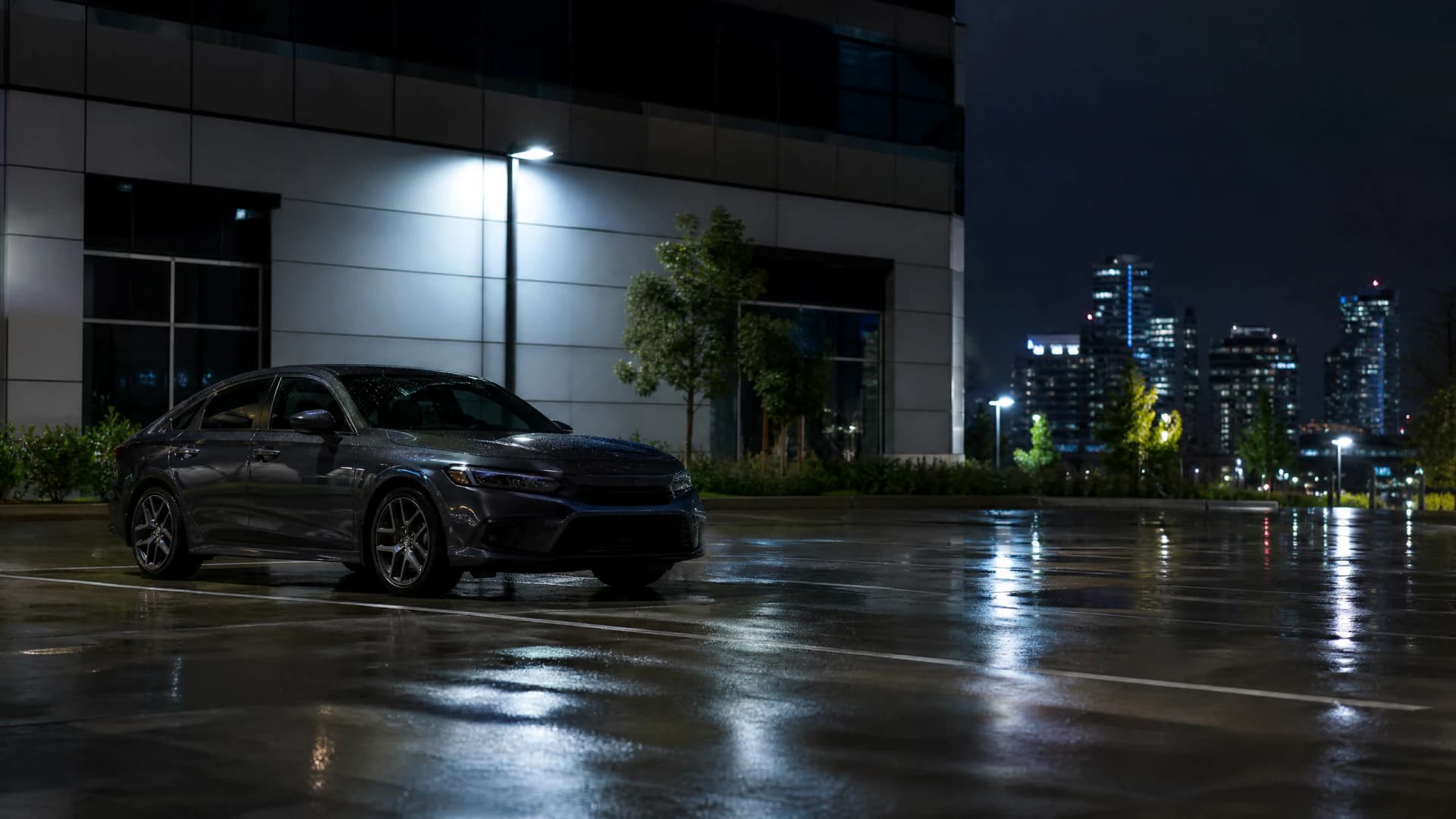
Boise DUI cases require SR-22 filing both for restricted license eligibility during suspension and for full reinstatement afterward — two distinct coverage windows that most drivers conflate.
Related Articles

DUI Insurance Carriers Idaho Ranked
6/15/2026
Best SR-22 Insurance After DUI in Nampa ID
6/25/2026

Auto Insurance After Idaho DUI Suspension
6/15/2026

Best SR-22 Insurance After DUI Twin Falls ID
6/25/2026

Best SR-22 Insurance After DUI Pocatello ID
6/25/2026
Best SR-22 Insurance After DUI Caldwell ID
6/25/2026

SR-22 Filing Mechanics and Carrier Reporting
The SR-22 is not insurance — it is a certificate your carrier files electronically with the Idaho Transportation Department proving you hold a liability policy at Idaho's minimum required limits: $25,000 bodily injury per person, $50,000 bodily injury per accident, and $15,000 property damage. Your carrier files the SR-22 when you purchase the policy and notifies ITD electronically if you cancel coverage or miss a payment. Idaho participates in an electronic insurance verification system that flags lapses within days.
Carriers charge a one-time SR-22 filing fee set by the carrier and state. The filing fee is separate from your premium and typically ranges from $15 to $50 depending on the carrier. If your policy lapses and you refile with a new carrier, you pay the filing fee again. The 3-year SR-22 clock does not reset when you switch carriers — it runs from your original reinstatement date — but the new carrier must file a new SR-22 certificate with ITD to maintain continuous proof of coverage.
The structural failure mode most Boise drivers encounter: they buy minimum liability coverage to satisfy the SR-22 requirement, then drop coverage after reinstatement thinking the 3-year period only applies to the certificate itself. Idaho treats SR-22 filing and continuous coverage as inseparable — if the underlying policy cancels, the SR-22 filing automatically terminates, ITD receives electronic notice, and your license is re-suspended. You must maintain both the policy and the SR-22 filing for the full 3 years.
$25
Idaho Reinstatement Base Fee
Idaho charges a $25 base reinstatement fee for most suspension types, but DUI suspensions carry additional reinstatement fees above this base amount under Idaho Code § 49-326. The exact DUI reinstatement fee should be verified directly with Idaho Transportation Department, as the total reinstatement cost includes the base fee, any DUI-specific surcharges, and the SR-22 filing fee your carrier charges.
Idaho Transportation Department, Idaho Code § 49-326

Non-Owner SR-22 When You Sold Your Vehicle
If you sold your vehicle after your DUI arrest or do not currently own a car, you still need SR-22 filing to reinstate your Idaho license. Non-owner SR-22 policies solve this: they provide liability coverage when you drive a vehicle you do not own — a borrowed car, a rental, or a vehicle you drive occasionally — and include the SR-22 certificate Idaho requires. The policy does not cover a specific vehicle; it follows you as the named insured.
Non-owner policies cost less than standard auto insurance because they cover liability only and exclude collision and comprehensive coverage. Geico, Progressive, Dairyland, The General, and USAA all offer non-owner SR-22 policies to Boise residents. If you later purchase a vehicle during the 3-year SR-22 period, you convert the non-owner policy to a standard policy covering the newly purchased vehicle, and the SR-22 filing transfers without restarting the 3-year clock.
Compare Boise SR-22 Carriers Before You Commit
Post-DUI premiums vary by hundreds of dollars per year between Boise carriers writing the same driver profile. The carrier that quoted your clean-record policy before the DUI may not offer the lowest post-DUI rate, and comparing only one or two carriers leaves money on the table. Progressive and Geico allow online quoting for SR-22 policies; State Farm, Bristol West, and Dairyland require agent contact. National General and GAINSCO operate through independent agent networks that can quote multiple non-standard carriers simultaneously.
When comparing quotes, verify that each includes Idaho's required liability limits and SR-22 filing. Some carriers quote minimum limits by default; others assume higher limits. Minimum coverage satisfies Idaho's reinstatement requirement, but it leaves you personally liable for damages exceeding those limits if you cause an accident. If you own a home or have assets, 100/300/100 liability limits provide stronger protection without dramatically increasing your premium on a post-DUI policy. Get quotes for your local Idaho address with your exact DUI conviction details and compare the total cost including SR-22 filing fees before choosing a carrier.
Which Boise Carriers Write Post-DUI SR-22 Policies
State Farm, Geico, and Progressive all file SR-22 certificates in Idaho and write post-DUI policies in Boise, but they classify DUI offenders differently. Progressive and Geico operate non-standard divisions that quote post-DUI drivers directly through their online platforms; State Farm typically requires agent involvement and may decline coverage if your BAC exceeded .15 or if you refused the BAC test. National General and Bristol West specialize in high-risk drivers and accept most Boise DUI cases, but their base rates start higher than standard carriers.
Dairyland, GAINSCO, and The General write SR-22 policies specifically for suspended and high-risk drivers in Idaho. These carriers expect DUI violations and price accordingly, which often produces lower premiums than a standard carrier moving you to their non-standard tier. If you no longer own a vehicle but need SR-22 filing to satisfy reinstatement requirements, Dairyland, Geico, Progressive, USAA, and The General all offer non-owner SR-22 policies in Boise — a liability-only product that covers you when driving someone else's vehicle and satisfies Idaho's SR-22 mandate without requiring you to insure a car you do not own.
Get Your Free Quote
Get My Idaho DUI Insurance QuoteFrequently Asked Questions
How long do I need SR-22 insurance after a DUI in Idaho?
Idaho requires SR-22 filing for 3 years after DUI reinstatement, measured from your reinstatement date. If your policy lapses at any point during those 3 years, Idaho Transportation Department re-suspends your license and you must start a new reinstatement process including paying the reinstatement fee again.
Can I get a restricted license in Boise while my DUI suspension is active?
Yes. Idaho allows DUI offenders to petition the court for a restricted license after serving a mandatory 30-day absolute suspension period for first offense. The restricted license requires ignition interlock device installation on any vehicle you drive and limits you to court-approved destinations like work, school, and medical appointments.
Do I need insurance during my Idaho DUI suspension if I have a restricted license?
Yes. If you receive a restricted license, you must carry active liability insurance and SR-22 filing on the vehicle equipped with the ignition interlock device. You cannot legally drive on a restricted license without insurance, even though your full driving privileges are still suspended.
What happens if I let my SR-22 insurance lapse in Idaho?
Your carrier notifies Idaho Transportation Department electronically when your policy cancels or lapses. ITD immediately re-suspends your license and sends a notice requiring you to pay a new reinstatement fee and refile SR-22 proof of insurance before driving legally again.
Which Boise insurance companies offer SR-22 filing after a DUI?
Geico, Progressive, State Farm, Dairyland, The General, Bristol West, National General, and GAINSCO all file SR-22 certificates in Idaho and write post-DUI policies. Progressive and Geico allow online quoting; State Farm and Bristol West require agent contact. Non-standard specialists like Dairyland and The General typically offer lower rates for high-risk drivers than standard carriers.
How much does SR-22 insurance cost in Boise after a DUI?
Premiums vary significantly by carrier, your BAC level, prior violations, age, and vehicle. Carriers charge a one-time SR-22 filing fee ranging from $15 to $50, separate from your premium. Comparing quotes from multiple Boise carriers that specialize in post-DUI coverage produces the lowest total cost.
Can I get non-owner SR-22 insurance if I do not own a car in Idaho?
Yes. Non-owner SR-22 policies provide liability coverage when you drive vehicles you do not own and satisfy Idaho's SR-22 filing requirement for reinstatement. Geico, Progressive, Dairyland, USAA, and The General all offer non-owner SR-22 policies in Idaho.