
Insurance After Breathalyzer Refusal — Idaho
Free to compare
You Refused the Test and Now Face ALS Suspension
Idaho's Administrative License Suspension law treats breathalyzer refusal more severely than a failed test. You refused the test — whether at roadside or at the station — and now face a mandatory one-year suspension under Idaho Code § 18-8002A. The Idaho Transportation Department has already sent the suspension notice. Your license is gone in 30 days unless you request an administrative hearing within seven calendar days of the arrest.
The insurance question hits immediately: do you need coverage during a year-long suspension, and if you do, what will it cost? The answer depends on whether the criminal DUI charge proceeds separately, whether you qualify for a restricted license during the suspension, and which carriers in Idaho will file SR-22 after a refusal. This article walks the insurance pathway for Idaho breathalyzer refusal cases step by step.
“Carriers price refusal cases higher than failed-test cases — the refusal itself signals higher risk, not the absence of a BAC number.”

Get Back to a Fair Rate in Idaho After a DUI
Get My Idaho DUI Insurance Quote1 year
Idaho Refusal ALS Period
Under Idaho Code § 18-8002A, a first-offense breathalyzer refusal triggers a mandatory one-year administrative suspension. A failed BAC test (.08 or higher) carries only 90 days for first offense. Refusal is treated as more severe because Idaho presumes the driver refused to avoid incriminating evidence.
Idaho Code § 18-8002A (Administrative License Suspension)
Refusal Does Not Mean No SR-22 Requirement
Many drivers assume that because no BAC result exists, no SR-22 filing is required. This is wrong. Idaho requires SR-22 filing for reinstatement after any ALS suspension — refusal or failed test. The SR-22 filing period is three years, beginning from the date you reinstate your license, not from the date of the arrest or the start of the suspension.
You will need SR-22 coverage even during the suspension if you pursue a restricted license. Idaho courts can grant restricted driving privileges after a mandatory 30-day hard suspension period for first-offense refusal cases, but only if you maintain continuous SR-22 coverage and install an ignition interlock device. If you do not pursue a restricted license, you are not legally required to carry insurance during the suspension — but you will need SR-22 on file before the Idaho Transportation Department will reinstate your license at the end of the year.
Carriers treat refusal cases as higher underwriting risk than failed-test cases. The actuarial logic: a driver who refuses the test is statistically more likely to have been severely impaired and chose refusal to avoid a high BAC reading entering the record. This perception drives higher premiums even though no chemical test result exists.

Idaho carriers price refusal cases 10–15% higher than equivalent failed-test DUI cases. The refusal itself is the underwriting red flag, not the absence of a BAC number.






Restricted License Requires SR-22 and Ignition Interlock
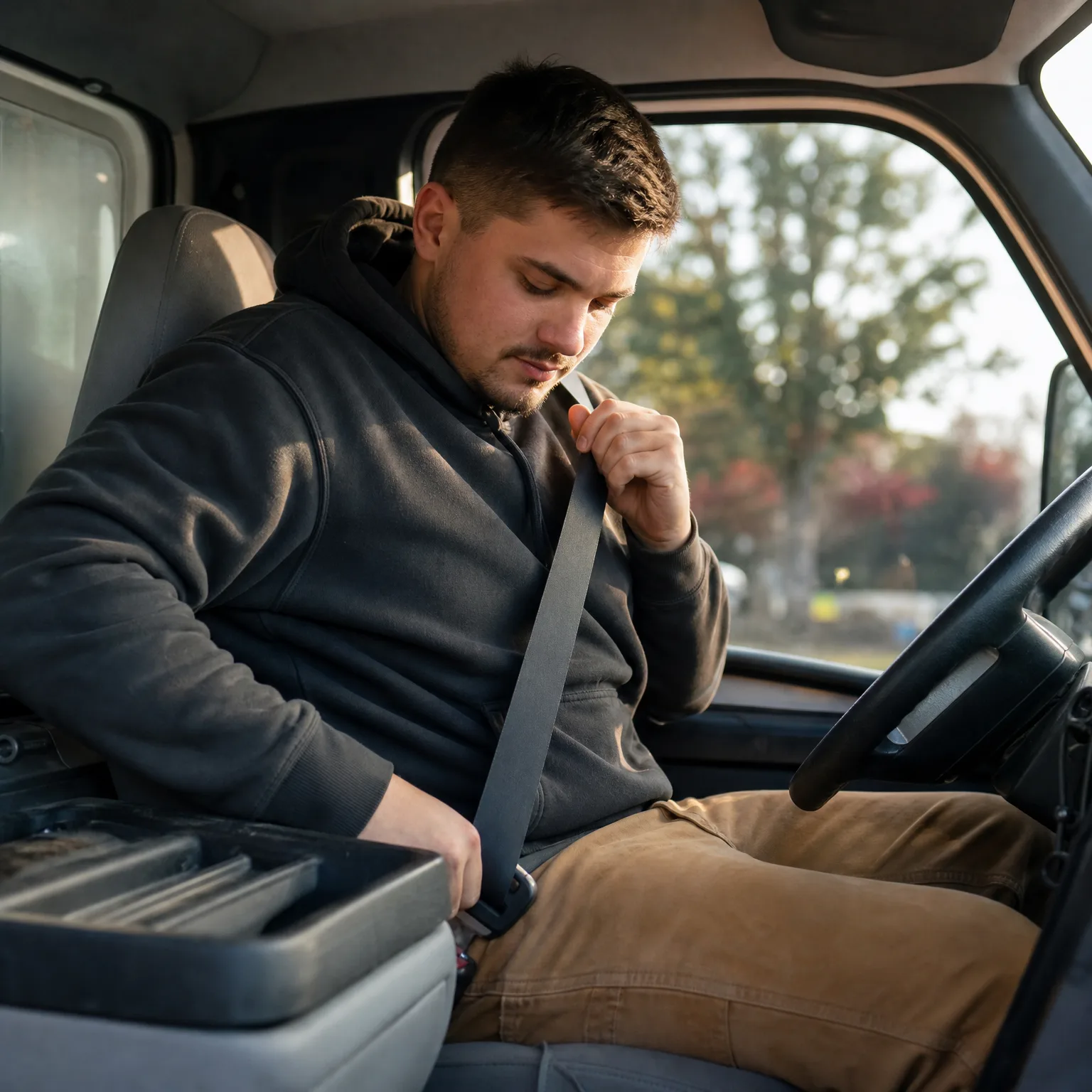
Idaho allows restricted driving privileges during the ALS suspension period for breathalyzer refusal cases, but the requirements are strict. You must serve a mandatory 30-day absolute suspension first — no driving of any kind. After 30 days, you can petition the court for a restricted license. The court sets the scope of the restriction: work, school, medical appointments, and other case-specific approved purposes. The restrictions include specific hours and days; violating the terms triggers immediate revocation and potentially additional criminal charges.
The restricted license requires continuous SR-22 filing and installation of an ignition interlock device for the entire period the restricted license is active. The IID requirement runs concurrent with or following the suspension period depending on your offense. Failure to maintain SR-22 or IID compliance results in automatic restricted license revocation and reinstatement of the full suspension.
Not every refusal case qualifies for restricted license relief. Idaho courts have broad discretion. Prior DUI history, the circumstances of the arrest, and whether you missed the seven-day administrative hearing window all affect eligibility. If your petition is denied, you serve the full one-year suspension with no driving privileges and must wait until reinstatement to drive legally again.
$25
Idaho License Reinstatement Fee
After completing the one-year ALS suspension, Idaho charges a $25 base reinstatement fee to restore your license. Additional fees apply if the suspension was related to DUI rather than refusal alone. You must also file SR-22 proof of insurance before the Idaho Transportation Department will process reinstatement.
Idaho Transportation Department Driver Services
Criminal DUI Charge Runs Separately from ALS
The breathalyzer refusal triggers administrative suspension through the Idaho Transportation Department. The criminal DUI charge — if filed — proceeds separately through the court system under Idaho Code § 18-8004. The two processes do not sync. You can win the criminal case and still serve the full ALS suspension. You can lose the criminal case and face additional court-imposed suspension on top of the ALS year.
If convicted of DUI in criminal court after refusing the breathalyzer, the court can impose its own suspension period, additional fines, mandatory substance abuse evaluation and treatment, and extended ignition interlock requirements. These penalties stack. The SR-22 filing period for a criminal DUI conviction is also three years, measured from the date of reinstatement following the criminal suspension — not the ALS suspension. If both suspensions run consecutively, the SR-22 clock does not start until the later reinstatement date.
Get SR-22 Coverage Before You Need It
Do not wait until the end of the suspension year to shop for SR-22 coverage. Carriers need time to process SR-22 filings, and the Idaho Transportation Department requires proof of continuous coverage on file before reinstating your license. If you plan to pursue a restricted license, you need SR-22 active within the 30-day window following the hard suspension period — not filed the day you petition the court.
Start the process now. Compare Idaho SR-22 carriers that write post-refusal policies, request quotes for both standard and non-owner SR-22 depending on your vehicle ownership status, and confirm the carrier can file electronically with the Idaho Transportation Department. The filing itself takes 1–3 business days once the policy is active; the premium is the monthly cost you will carry for three years post-reinstatement.
What You Pay for SR-22 After Refusal in Idaho
If you own a vehicle and need standard liability coverage with SR-22, expect monthly premiums between $140 and $220 for minimum Idaho liability limits (25/50/15). Carriers writing post-refusal SR-22 in Idaho include Geico, Progressive, State Farm, The General, Dairyland, Bristol West, GAINSCO, and National General. Geico and Progressive typically quote the lower end of this range for drivers with no prior DUI history; non-standard carriers like The General and Bristol West quote higher but accept drivers standard carriers decline.
If you do not own a vehicle but need SR-22 to satisfy Idaho's reinstatement requirement, a non-owner SR-22 policy costs $30–$60 per month. Non-owner policies provide liability coverage when you drive a borrowed or rented vehicle and satisfy the state's proof-of-insurance requirement without insuring a specific car. Geico, Progressive, Dairyland, The General, GAINSCO, and USAA all write non-owner SR-22 in Idaho. This is the correct product if you sold your car after the suspension or rely on rideshare and public transit during the suspension year.
Get Your Free Quote
Get My Idaho DUI Insurance QuoteFrequently Asked Questions
Do I need insurance during an Idaho ALS suspension for breathalyzer refusal?
You are not legally required to carry insurance during the suspension unless you obtain a restricted license. If you pursue restricted driving privileges, Idaho requires continuous SR-22 coverage and ignition interlock installation. If you do not drive at all during the suspension, you can wait until reinstatement to file SR-22 — but you must have it on file before the Idaho Transportation Department will reinstate your license.
How much does SR-22 cost after refusing a breathalyzer in Idaho?
SR-22 filing itself costs $25–$50 one-time. Monthly premiums for minimum liability coverage with SR-22 range from $140 to $220 if you own a vehicle. Non-owner SR-22 policies cost $30–$60 per month. Refusal cases are priced 10–15% higher than failed-test DUI cases by most carriers because refusal signals higher underwriting risk.
Can I get a restricted license in Idaho after refusing the breathalyzer?
Yes, but only after serving a mandatory 30-day absolute suspension. After 30 days, you can petition the court for a restricted license. The court sets the scope, hours, and approved purposes. You must maintain continuous SR-22 coverage and install an ignition interlock device for the entire restricted license period. Not all petitions are granted — Idaho courts have broad discretion.
Which Idaho carriers file SR-22 after breathalyzer refusal?
Geico, Progressive, State Farm, The General, Dairyland, Bristol West, GAINSCO, and National General all write SR-22 policies in Idaho after breathalyzer refusal. Geico and Progressive typically offer the lowest premiums for drivers with no prior DUI history. Non-standard carriers like The General and Bristol West accept higher-risk cases standard carriers decline.
How long does Idaho require SR-22 after a refusal suspension?
Idaho requires SR-22 for three years following reinstatement. The three-year period begins when your license is reinstated, not from the date of arrest or the start of the suspension. If you are also convicted of criminal DUI and serve additional court-imposed suspension, the SR-22 clock does not start until the later reinstatement date.
What happens if I do not file SR-22 before my Idaho suspension ends?
The Idaho Transportation Department will not reinstate your license without proof of SR-22 on file. Your suspension remains active until you submit SR-22 proof of insurance and pay the reinstatement fee. Driving without a valid license during this extended period is a separate criminal offense with additional penalties.